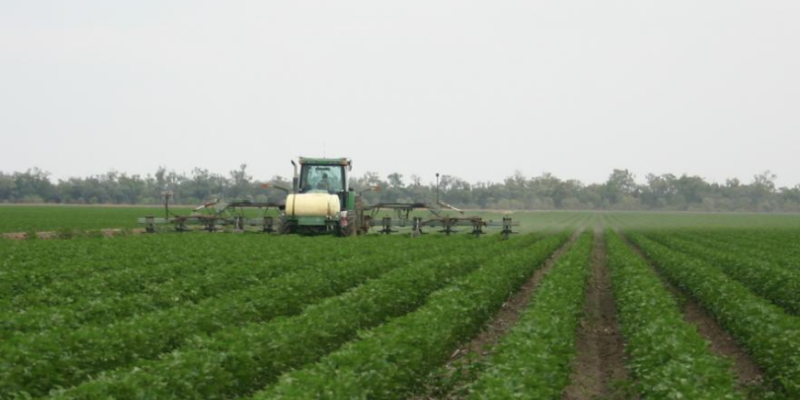
Integrated weed management that works on-farm.
Integrated weed management that works on-farm.
Integrated weed management (IWM) is a strategy to manage existing herbicide resistance and prolong the useful life of herbicide groups. An IWM strategy will also reduce the rate of species shift, manage the cost of future weed control by depleting the number of weed seeds in the soil, and improve crop productivity through effective weed management.
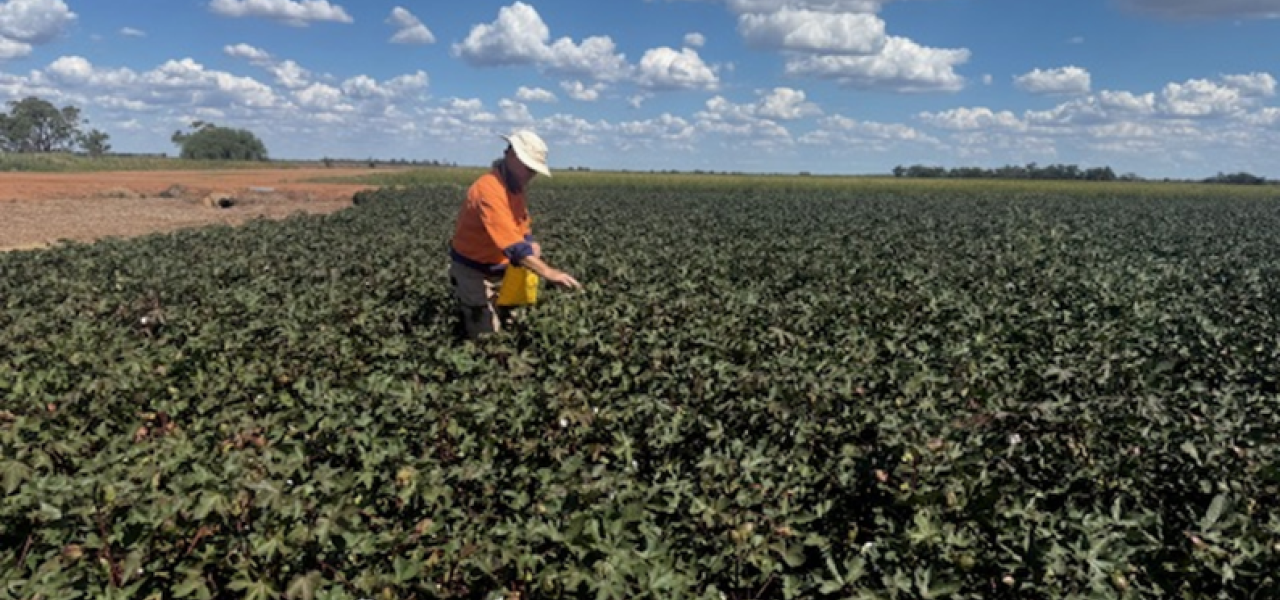
Herbicide resistance
Herbicide resistance is normally present at low frequencies in weed populations before a herbicide is first applied. Using any herbicide creates a selection pressure that increases the likelihood that resistant individuals will survive, set seed and therefore pass on their resistance to offspring.
The underlying frequency of resistant individuals within a population will vary greatly with the particular weed species and also the mode of action of the herbicide used. Mix herbicides at full label rates and rotate between modes of action to delay herbicide resistance developing.
Early in the development of a resistant population, resistance commonly occurs in isolated patches. This is the critical time to identify the problem (however many of the possible symptoms of herbicide resistance may also be due to other causes of spray failure). Patch management is an important component of farm biosecurity; it reduces new incursions and prevents distribution of hard to control weeds.
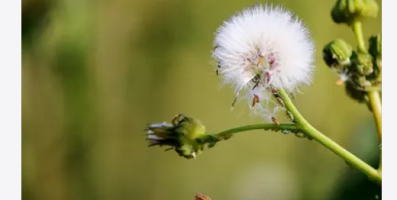
Resistance has been confirmed in 48 weeds in Australia. In cotton growing areas six common grass weeds are known to be resistant to glyphosate - awnless barnyard grass, liverseed grass, sweet summer grass, windmill grass, feathertop Rhodes grass, and annual ryegrass. In addition, two broadleaf species - flaxleaf fleabane and sowthistle - have developed resistance to glyphosate.
Correct weed identification
To be able to effectively manage resistance and to decide on an appropriate response weeds need to be correctly identified. Herbicide susceptibility can differ between similar weed species hence similar species may respond differently to the herbicide mode of action used.
Use the Weeds of Australian Cotton app to identify weeds during early growth stages.
Record keeping
Good record keeping helps to mitigate problems when they occur and enables growers to determine the effectiveness of their management strategies as well as helping to understand why a problem developed. Records should be kept for all fields, and include cropping history, GPS locations for weed patches, weed control tactics used and their effectiveness after every operation.
Timely implementation
Timely intervention of a weed control operation can be the most significant factor in its effectiveness. Herbicides are more effective on rapidly growing small weeds and may be quite ineffective in controlling large or stressed weeds. An understanding of the critical period for weed control is needed to balance the cost of control with the optimum timing for spray efficacy. (For more see WEEDpak).
Herbicide rotation
Herbicides are classified into groups based on their mode of action.
Herbicides groups should be rotated whenever possible to avoid using the same group on consecutive generations of weeds.
Decisions such as cotton planting time, pre-irrigation versus watering-up, methods of fertiliser application, management of rotation crops, stubble retention, pupae busting, desiccation timing and in crop irrigation management all have an impact on weed emergence and growth.
Agronomy decisions should be considered as part of the weed management program. For example, modify the timing and method of applying pre-plant N to achieve a ‘spring tickle’ (shallow cultivation in combination with a non-selective, knockdown herbicide) in the same operation.
Stay updated with our latest industry news
Stay updated with our latest publications
Stay updated with our latest events